

Imagine a computer so small that it can fit on the tip of your finger, yet powerful enough to connect to the internet. That´s the ESP32 microcontroller. In the past, building a smart device required many expensive parts and complex wiring. Today, this single, affordable chip changes everything. It acts as an electronic brain that can receive information from the world and send it directly to you.
Because of this little chip, we now have smart refrigerators that tell us when the milk is expired, automated plant waterers, and security systems we can check from anywhere. For anyone starting in technology, learning how this tiny brain works is the perfect first step to building your own inventions. It is simple, fun, and opens the door to creating the future with your own hands.
**ESP32: Comprehensive Overview**
**Introduction**

The ESP32 is a powerful, low-cost, and versatile microcontroller developed by Espressif Systems. It is widely used in IoT projects, embedded systems, and smart devices due to its rich features, wireless capabilities, and ease of programming.
**Capabilities and Applications**
- **Wireless Connectivity:** Dual-mode Wi-Fi (802.11 b/g/n) and Bluetooth (Classic and BLE)
- **IoT Projects:** Home automation, smart sensors, wearables, remote control devices
- **Sensor Integration:** Supports numerous sensors via GPIO, ADC, DAC, I2C, SPI, UART
- **Audio Processing:** Capable of handling audio input/output, voice recognition
- **Camera Support:** Compatible with camera modules for image processing
- **Real-Time Operations:** Supports real-time applications with RTOS support
- **Security:** Built-in encryption, secure boot, flash encryption
- **Power Management:** Deep sleep modes for battery-powered applications
- **Custom Firmware:** Can run custom firmware or use frameworks like Arduino, ESP-IDF, MicroPython, and CircuitPython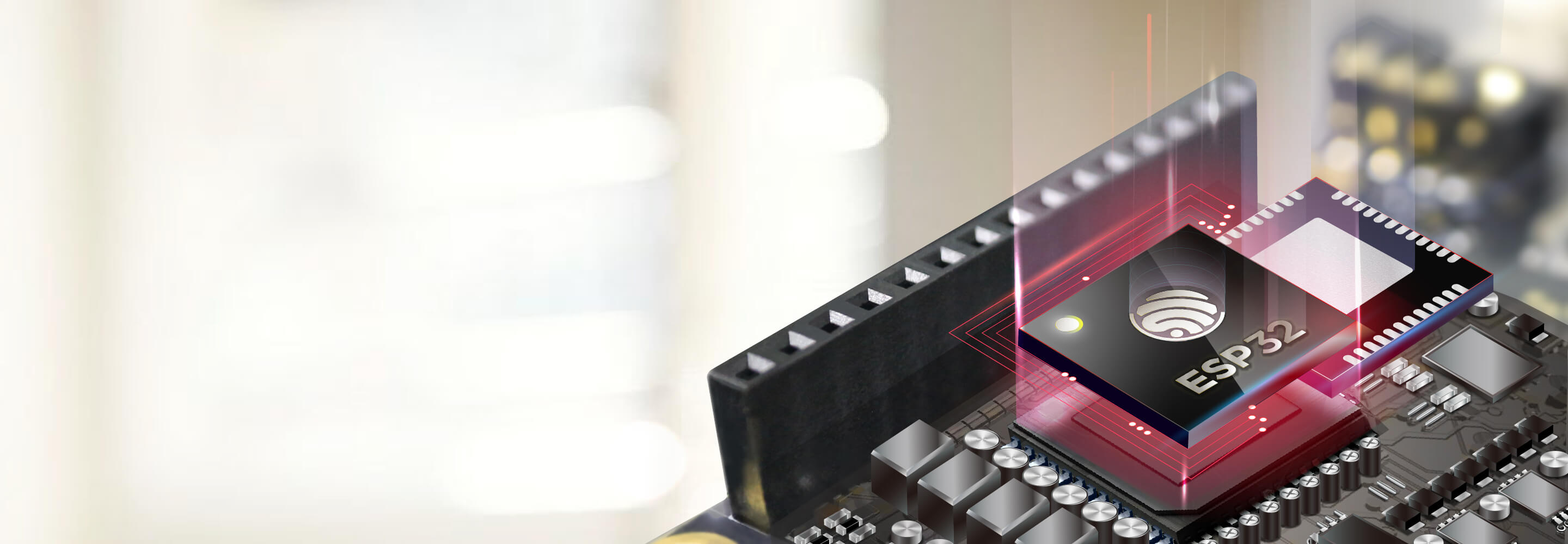
**Technical Features**
- **Processor:** Dual-core Tensilica LX6 microprocessor, up to 240 MHz
- **Memory:**
- SRAM: 520 KB
- Flash: Up to 16 MB external flash (depending on module)
- PSRAM: Optional, up to 8 MB
- **Wireless:**
- Wi-Fi: 2.4 GHz 802.11 b/g/n
- Bluetooth: v4.2 BR/EDR and BLE
- **Interfaces:**
- GPIO pins: Up to 34
- ADC: 12-bit, up to 18 channels
- DAC: 8-bit, 2 channels
- UART: 3 ports
- SPI: 4 buses
- I2C: 2 buses
- PWM: 16 channels
- I2S: For audio applications
- Ethernet: via external PHY (with additional components)
- **Other Features:**
- Ultra-low power sleep modes
- Secure boot and flash encryption
- Hardware encryption (AES, SHA-2, RSA, ECC)
- RTC (Real-Time Clock)
- Hall sensor and temperature sensor
**Programming Requirements**
- **Development Environment:**
- **ESP-IDF:** Official Espressif IoT Development Framework (recommended for advanced features)
- **Arduino Core for ESP32:** Easier for beginners; uses Arduino IDE
- **MicroPython:** Lightweight Python implementation for scripting
- **CircuitPython:** Alternative to MicroPython, beginner-friendly
- **Hardware Needed:**
- ESP32 development board (e.g., ESP32 DevKit v1)
- USB cable for power and programming
- Computer with USB port
- Optional peripherals (sensors, displays, motors)
- **Drivers and Software:**
- USB to UART drivers (if necessary)
- IDEs: Arduino IDE, Visual Studio Code, PlatformIO
- Flashing tools: esptool.py, ESP-IDF tools
**Steps to Program the ESP32**
1. **Set Up Development Environment:** Install Arduino IDE or ESP-IDF
2. **Connect the ESP32 to the Computer:** Via USB
3. **Select the Correct Board and Port:** In the IDE
4. **Write or Load Your Code:** Using the appropriate SDK or libraries
5. **Compile and Upload:** Flash the firmware onto the device
6. **Monitor Serial Output:** For debugging and interaction
**Summary**
The ESP32 is an incredibly versatile microcontroller that combines powerful processing, extensive connectivity options, and numerous interfaces, making it ideal for a vast array of projects. Its support for various programming environments and rich feature set allows both beginners and advanced developers to create innovative solutions efficiently.